- April 28, 2026
- |Locksmith Services, Rules & Regulations
- | 0
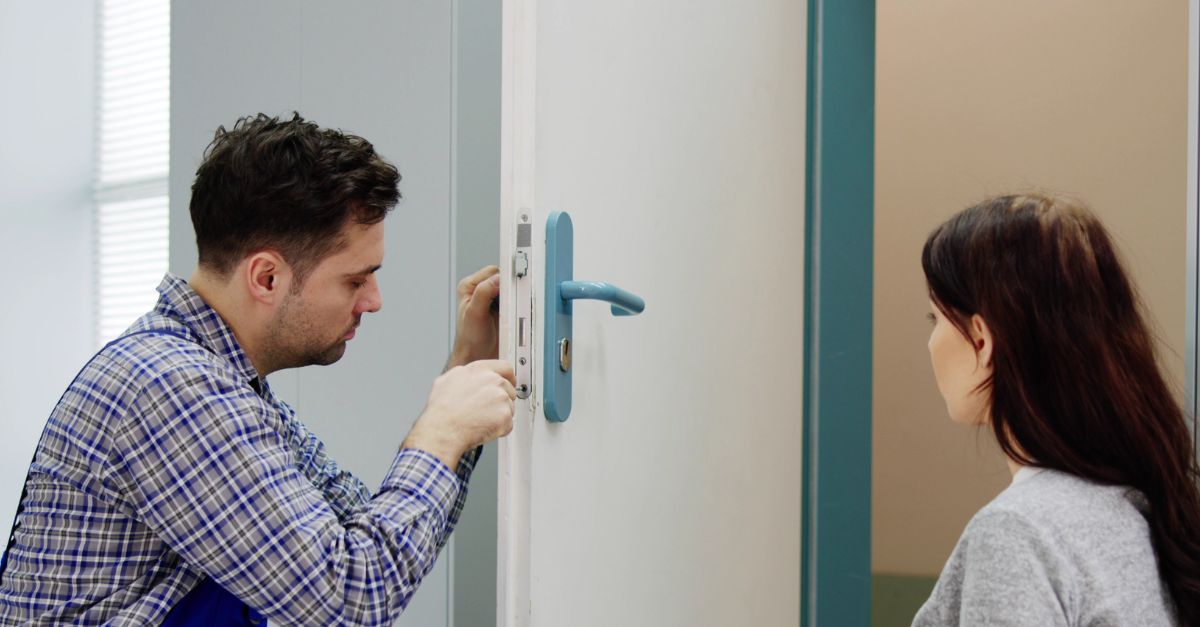
Changing the locks sounds simple. You call a locksmith, you get new cylinders, and you’re done. But if you share ownership of the home, rent the property, or are separating from a partner, the law has a lot more to say about it than most people realise, and getting it wrong can make a difficult situation a lot worse.
Across our years offering locksmith services to clients in Kew and greater Melbourne, we’re regularly called to change locks in circumstances that are legally more complicated than they first appear. This post sets out the general legal position in Victoria, explains where the common pitfalls are, and outlines what a licensed locksmith can and can’t do for you.
Important note: this is general information for Melbourne property owners and renters. It isn’t legal advice. If you’re separating, dealing with family violence, or in a property dispute, speak to a family lawyer or contact Victoria Legal Aid before you act.
The Short Answer: It Depends on Three Things
Whether you can legally change the locks on a home in Victoria usually comes down to:
- Who owns or leases the property — solely, jointly, or through a rental agreement
- Whether there’s a court order in place — particularly an intervention order or an exclusive occupancy order
- Whether there are genuine safety concerns — especially involving family violence
The table below gives a high-level view. The rest of the post walks through each scenario in detail.
| Your situation | Can you legally change the locks? | Key catch |
|---|---|---|
| Sole owner, living alone | Generally yes | Straightforward |
| Sole owner, separating from partner | Generally yes | Partner may have an equitable interest in the home |
| Joint owner (both on title) | Yes, but your ex can do the same | Neither party can lawfully exclude the other without a court order |
| Renter in Victoria | Yes, with rental provider’s consent (and not unreasonably withheld) | Must give them a key promptly |
| Any party with an intervention order granting exclusive occupancy | Yes | Must comply with the specific terms of the order |
| Living under the same roof, no court orders | Legally messy — get advice first | Risk of escalating the dispute |
If You Own the Property Outright (Sole Owner)
If your name alone is on the Certificate of Title, you generally have the right to change the locks on your own property whenever you choose. You don’t need anyone’s permission to call a locksmith.
However, there are two situations where sole ownership isn’t the end of the story:
1. A separating partner may still have a legal claim
Even if your name is the only one on the title, a former spouse or de facto partner may have what family lawyers refer to as an equitable interest in the property, particularly if they’ve contributed financially, paid towards the mortgage, or made non-financial contributions like home improvements or raising children there. Changing the locks doesn’t extinguish that interest; it only controls physical access.
The Federal Circuit and Family Court of Australia can also make orders about who lives in the home, regardless of whose name is on the title. That means a sole-ownership change of locks can still be revisited by the court.
2. A court order can override your ownership rights
If there’s an existing court order granting the other party a right to occupy the home, for example, as part of a parenting arrangement or a property settlement, you can’t lawfully change the locks to block their access.
Always check your orders before acting.
If You Jointly Own the Property
This is where most of the complications arise. If both names appear on the title, the law treats both of you as having an equal right to live in and access the home, unless a court order says otherwise.
In practical terms, that means:
- Either of you can physically change the locks
- But neither of you can legally exclude the other from the property without a court order
- If one party changes the locks, the other party can lawfully call their own locksmith to regain entry
- Escalating back-and-forth lock changes tend to cause far more harm than good, and the Family Court takes a dim view of unilateral action
If you want to change the locks in a jointly owned home and prevent your ex-partner from re-entering, the correct pathway is usually an exclusive occupancy order (sometimes called a sole occupancy order) from the Family Court. These orders are not granted lightly. The court weighs factors including each party’s financial capacity to live elsewhere, the needs of any children, any history of family violence, and the practicality of both parties remaining in the home.
If You’re Renting in Victoria
Renters and rental providers in Victoria are governed by the Residential Tenancies Act 1997 (as amended by the Residential Tenancies Amendment Act 2018, fully in force from 29 March 2021). Section 70 of the Act sets out specific rules about locks in rental properties.
In plain English, the key rules are:
- The rental provider must ensure that all external doors capable of taking a deadlock are fitted with a functioning deadlock, and that windows capable of being locked have locks on them.
- Either party can change a lock, but if they do, they must give a key to the other party as soon as reasonably possible.
- If the lock is part of a master key system (common in apartment blocks and townhouse complexes), the renter must get the rental provider’s consent before changing it, and the rental provider cannot unreasonably withhold that consent.
- Under reforms announced by the Victorian Government, it will also become an offence to remotely disable electronic keys or security devices outside of the proper end-of-tenancy process.
Renters sometimes forget that the obligation to hand a key over goes both ways. If your property manager or landlord changes a lock, they must provide you with a working key. If they don’t, you can raise the issue with Consumer Affairs Victoria or apply to VCAT.
What if you’re renting and worried about safety?
Victorian law recognises that renters in family violence situations shouldn’t have to wait for landlord approval to make themselves safe. Renters who are protected persons under a family violence intervention order have specific rights under the Act, including the ability to apply to VCAT to terminate a tenancy or remove another person from the lease. If this applies to you, contact Safe Steps (1800 015 188) or 1800RESPECT (1800 737 732) for confidential support.
When Separation Complicates Things
The most common reason Melbourne locksmiths are called to change locks urgently is separation. Every situation is different, but the usual legal landscape looks like this:
- If your ex-partner has already moved out and there are no court orders in place, changing the locks is generally lower-risk — particularly if the title is in your sole name. You’re not forcing them out; you’re protecting your privacy.
- If your ex-partner is still living in the home, changing the locks while they’re out is a high-risk move. It can inflame the dispute, prejudice negotiations, and — if they’re a joint owner or tenant — give them legal grounds to simply call their own locksmith and regain entry. Family lawyers generally recommend seeking an exclusive occupancy order first.
- If there’s been family violence, safety comes before legal niceties. Police can assist on the spot, and an intervention order can be used to grant you exclusive occupancy quickly.
- If you’re worried your ex has kept a spare key or may have given one to someone else, rekeying or replacing the cylinders is a reasonable and proportionate step, particularly when combined with legal advice.
Family Violence: Safety First, Paperwork Second
If you’re in immediate danger, call 000.
For non-emergency safety concerns, a Family Violence Intervention Order (FVIO) under the Family Violence Protection Act 2008 (Vic) can include a condition excluding the respondent from the family home. Once such an order is in place, the protected person has the legal right to sole occupancy, which includes the right to change the locks without the other party’s consent.
Victoria Police can apply for a Family Violence Safety Notice on the spot in urgent situations, which operates as a short-term intervention order until the matter reaches the Magistrates’ Court.
If you are in this situation:
- Contact Victoria Police (000 in an emergency, or your local station)
- Contact Safe Steps Family Violence Response Centre — 1800 015 188 (24/7)
- Contact 1800RESPECT — 1800 737 732 (24/7, confidential)
- Seek legal advice from Victoria Legal Aid or a family violence lawyer
Once the legal protections are in place, a licensed locksmith can attend and secure the property quickly, often the same day.
The Locksmith’s Role and Our Limits
It’s worth being clear about what a locksmith does and doesn’t do in these situations. Our job is to change or rekey locks safely, securely, and to a high standard. It is not our job to determine whether you’re entitled to change those locks in the first place.
When we attend a lock-change job in a disputed property, we’ll generally:
- Confirm you’re the person who booked the job and can verify your identity
- Confirm you’re present at the property and ask us to carry out the work
- Document the work performed (invoice, receipt, photographs where appropriate)
- Leave the property secure and provide you with the new keys
We won’t attend a property to force entry on your behalf if the legal position is unclear, and we won’t break locks to help one party exclude another from a home they plainly have a right to enter. In high-conflict matters, we’ll often suggest that you obtain legal advice or a court order before we proceed, not because we’re being difficult, but because it protects everyone, including you.
Practical Steps Before You Call a Locksmith
If you’re thinking about changing the locks and there’s any chance the situation is legally complex, run through this checklist first.
- Check any existing court orders. Do you have family law orders, parenting orders, or an intervention order? Are there conditions about who can be in the home?
- Confirm your ownership or tenancy status. Is your name on the title or the lease? Are you a sole or joint owner?
- If renting, check your agreement and the RTA. Do you need the rental provider’s consent? Is there a master key system?
- Get legal advice. A 15-minute call with a family lawyer, Victoria Legal Aid, or your local community legal centre is often enough to avoid an expensive mistake.
- Consider whether rekeying is enough. Rekeying the existing cylinders is typically faster and cheaper than full replacement, and in many cases, it’s all you actually need.
- Document everything. Keep copies of any court orders, any written consent from a rental provider, and the locksmith’s invoice.
If you’re in Kew or anywhere across greater Melbourne and you need a licensed, local locksmith to rekey or replace your locks, and you want the work done properly, discreetly, and in a way that won’t create problems down the track, we’d be glad to help.
Call VicLocks on 0418 397 297 or 👉 contact us here for a no-obligation quote.
Frequently Asked Questions
Can my ex change the locks on me?
If your ex is the sole owner or sole lessee, generally yes. Although you may still have an equitable interest in the home that can be recognised in a property settlement. If you’re a joint owner or joint tenant, they can physically change the locks, but they can’t lawfully exclude you from the property without a court order, and you may be entitled to call your own locksmith and regain entry.
Do I need my landlord’s permission to change the locks in a Victorian rental?
Generally, you can change an ordinary external door lock without prior consent, but you must give the rental provider a working key as soon as reasonably practicable. If the lock is part of a master key system, you need their consent first, and they can’t unreasonably refuse it.
What is an “exclusive occupancy order”?
It’s an order made by the Federal Circuit and Family Court of Australia that grants one party the sole right to live in a particular property, excluding the other. It’s one of the cleanest legal routes to lawfully changing the locks on a jointly owned home.
Does a Family Violence Intervention Order let me change the locks?
If the FVIO contains a condition excluding the respondent from the home, then yes, the protected person effectively has sole occupancy and can secure the property accordingly. Always read the specific wording of your order, or check with your lawyer.
Can a locksmith tell me whether it’s legal to change my locks?
No. A licensed locksmith can tell you what’s technically possible and do the physical work safely and lawfully, but we can’t give legal advice about your ownership, tenancy, or family law position. That’s the role of a lawyer.
How quickly can VicLocks attend a lock change in Melbourne?
For straightforward jobs in Kew and the surrounding eastern suburbs, we can usually attend the same day. For urgent safety matters, particularly those supported by an intervention order or police involvement, we prioritise attendance as quickly as we can.
Securing Your Home, the Right Way
Changing the locks is often the right call. It’s a sensible, proportionate step to protect your privacy after a relationship ends, after moving into a new home, or after losing track of who holds a key. But in situations involving separation, co-ownership, or family violence, it pays to understand the legal framework before you pick up the phone.