- April 27, 2026
- |Stats
- | 0
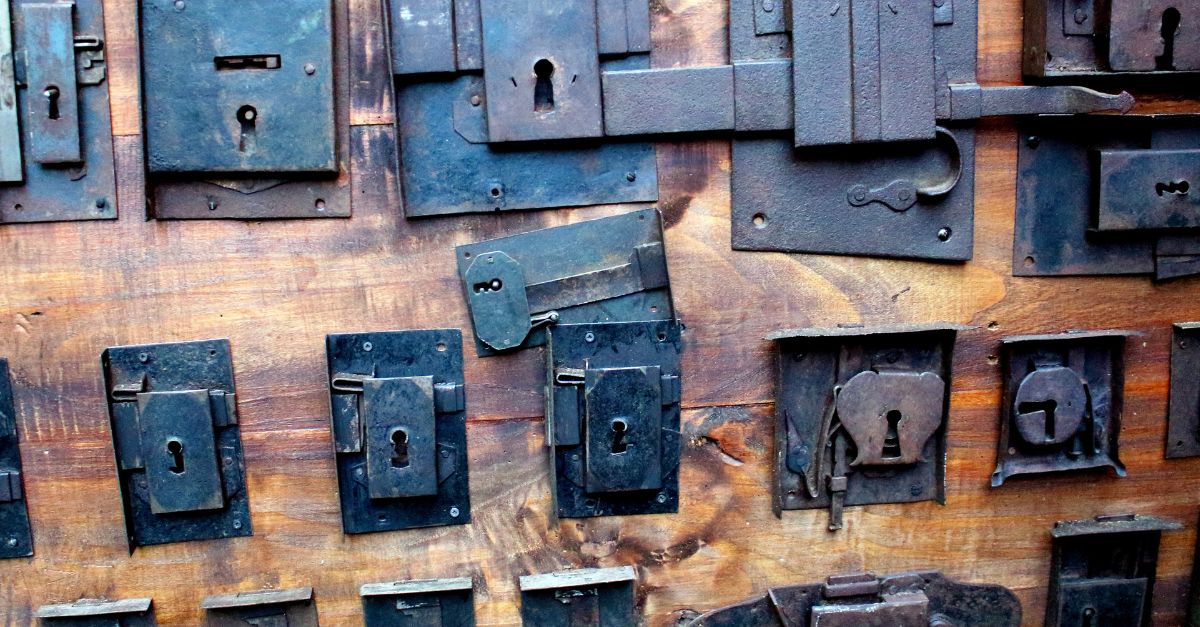
But locks have a genuinely fascinating history, and knowing a little about them helps you make better decisions about the security of your own home or business.At VicLocks, we work with every kind of lock, from century-old hardware on heritage homes in Kew, to smart locks on brand-new apartments across greater Melbourne.
1. The Oldest Known Lock Is Around 4,000 Years Old
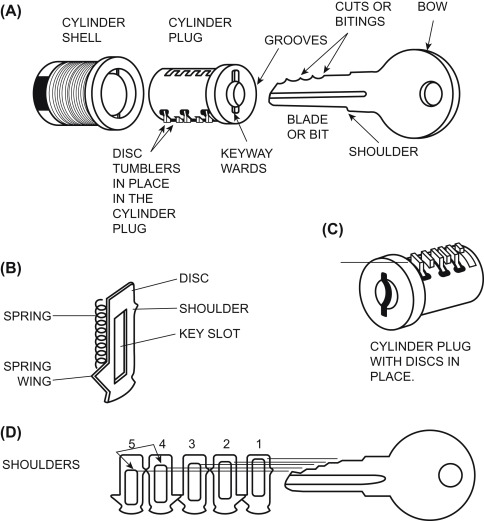
2. The Modern Pin Tumbler Lock Was Patented in the 1860s
While the concept is ancient, the lock on your front door today almost certainly uses a refinement patented by American inventor Linus Yale Jr. in 1865.
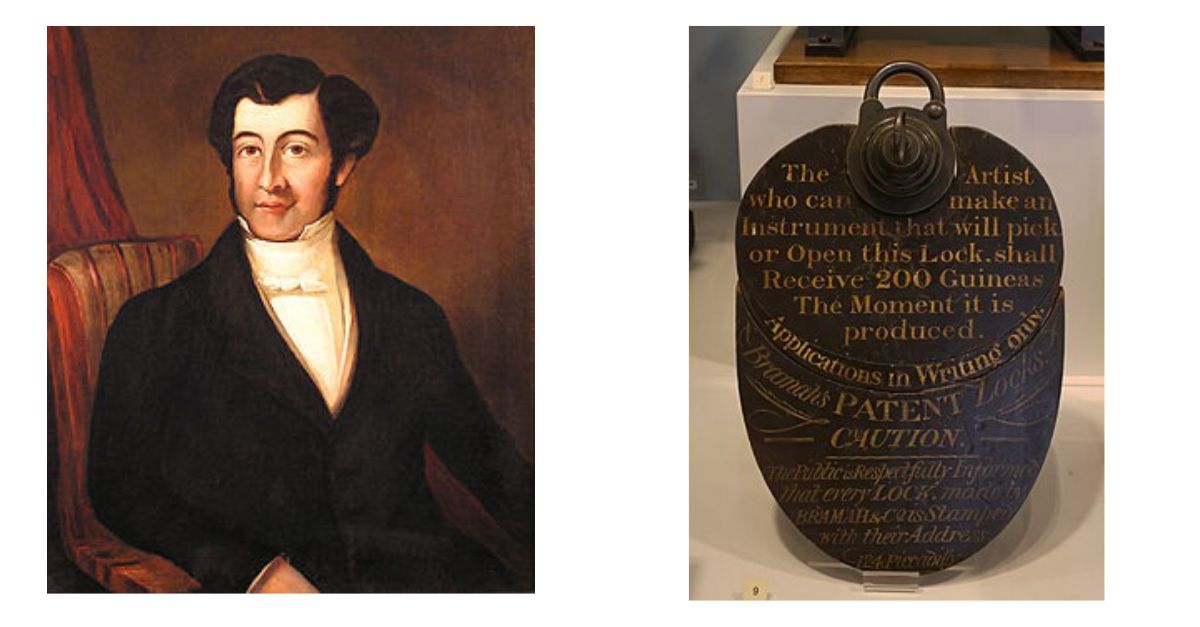
3. One Famous Lock Went Unpicked for 67 Years
In 1784, English engineer Joseph Bramah displayed a lock in his London shop window with a bold challenge: whoever could pick it would be awarded 200 guineas, a small fortune at the time.
The First “Tamper-Evident” Lock Was Invented in 1818
Long before alarm systems and CCTV, English locksmith Jeremiah Chubb designed a lock that would tell you if someone had tried to pick it.
If anyone tampered with the Chubb Detector Lock, an internal lever would jam, and the lock would refuse to open until a special reset key was used. The owner would know immediately that something had happened.
5. Harry Houdini Trained as a Locksmith’s Apprentice
6. In Victoria, Your Locksmith Must Be Licensed by Victoria Police
This one is close to home. In Victoria, locksmithing falls under the private security industry and is regulated under the Private Security Act 2004, administered by the Licensing and Regulation Division of Victoria Police.
As of 19 June 2025, further reforms under the Private Security and County Court Amendment Act 2024 mean that many operators who were previously on a “registration” must now hold a formal licence to keep working legally.
For you as the customer, that matters. It’s a safeguard against untrained or unvetted operators attending your property, someone who is going to be working on the very hardware that keeps your family or your staff safe.
Before you book anyone, check that they hold current credentials.
7. “Lock Bumping” Can Open Many Standard Locks in Seconds
A technique called lock bumping, using a specially cut “bump key” and a light tap, can open a large number of ordinary pin tumbler locks in seconds, with very little skill required.
The technique became widely publicised in the mid-2000s, which drove the development of anti-bump pins and higher-security cylinder designs. Unfortunately, many older homes across Melbourne still have cylinders with no bump protection at all.
8. Restricted Key Systems Make Unauthorised Copying Almost Impossible
If you’ve ever tried to copy a key and been told “sorry, that’s a restricted key,” this is why.
- Apartment and townhouse complexes
- Offices, medical clinics, and retail premises
- Schools and childcare centres
- Multi-tenant commercial buildings
- Property managers handling multiple sites
9. Smart Locks Are Rising Fast, But They’re Only as Strong as the Door They’re On
Before investing in smart hardware, it’s worth having the underlying door, frame, hinges and strike plate properly assessed first. Get the fundamentals right, then add the convenience layer on top.
10. The Average Melbourne Home Has More Locks Than You Realise
- When you move into a new home
- After a break-in or attempted break-in
- When keys have been lost or unaccounted for
- When tenants, cleaners, or tradespeople change over
- When you’re upgrading one lock anyway
Quick Reference: Common Lock Types at a Glance
Here’s a summary of the main lock types you’re likely to come across, and roughly where each one sits on the security scale.
| Lock Type | Common Use | Security Level | Notes |
|---|---|---|---|
| Warded lock | Old internal doors, heritage homes | Low | Easily bypassed with a skeleton key; largely decorative now |
| Pin tumbler (standard) | Most Melbourne homes | Medium | Vulnerable to bumping without anti-bump pins |
| Pin tumbler (high-security) | Upgraded residential, commercial | High | Anti-bump, anti-pick, anti-drill features |
| Disc detainer | Safes, padlocks, some front doors | High | Very difficult to pick without specialist tools |
| Restricted key system | Apartments, businesses, property management | High | Unauthorised duplication almost impossible |
| Smart / electronic lock | Modern homes, short-stay properties | Variable | Only as strong as the door, frame and PIN discipline |
Why Any of This Matters for Your Property
- Good lock design has always been a trade-off between security, convenience, and cost.
- “Standard” is not the same as “secure.” Most homes use the same kind of lock that was patented in the 1860s, and most of those locks have never been upgraded.
- Local regulation exists for a reason. Victoria’s licensing rules are there to protect you, so use them. Always check before you book.
Frequently Asked Questions
What is the oldest trype of lock still in use today?
The pin tumbler lock. The core concept dates back roughly 4,000 years to ancient Egypt, and the modern refinement was patented by Linus Yale Jr. in 1865. Most Melbourne homes still rely on this design today.
Can any locks be picked?
In principle, yes, given enough time, tools and skill. But a well-designed modern lock can resist skilled attempts for hours, and in practice, most opportunistic intruders give up long before that. The famous Bramah lock went unpicked for 67 years.
Are smart locks more secure than regular locks?
Not automatically. A smart lock fitted to a weak door or frame is no more secure than a basic deadlock on a strong one. Physical security — the door, frame, hinges and strike plate still matter most.
Do locksmiths in Melbourne need a licence?
Yes. In Victoria, locksmithing is regulated under the Private Security Act 2004 and administered by Victoria Police. As of 19 June 2025, further reforms require most operators to hold a formal licence rather than the older “registration.”
How many locks does a typical Melbourne home have?
Usually more than ten, once you count every locking point, front and back doors, windows, sliding doors, garages, sheds, letterboxes, gates, and internal deadbolts.
What should I do if I think my lock has been tampered with?
Check whether it still locks properly and look for scratches, tool marks, or unusual stiffness. If anything looks or feels off, don’t rely on the lock. Have it assessed by a licensed locksmith. See our guide on how to tell if a lock has been tampered with.
How do I find a reliable locksmith in Melbourne?
Stick with locksmiths who are local to your area and hold a current Victorian private security licence. Ask for a clear, upfront quote (including any call-out fee) before booking, and be cautious of headline prices that look unusually low, as they often don’t include labour or parts.
For Kew and the surrounding eastern suburbs, VicLocks is a long-established local choice with a physical base in Kew and decades of hands-on experience across residential, commercial and emergency work.