- May 22, 2026
- |Locksmith Services
- | 0
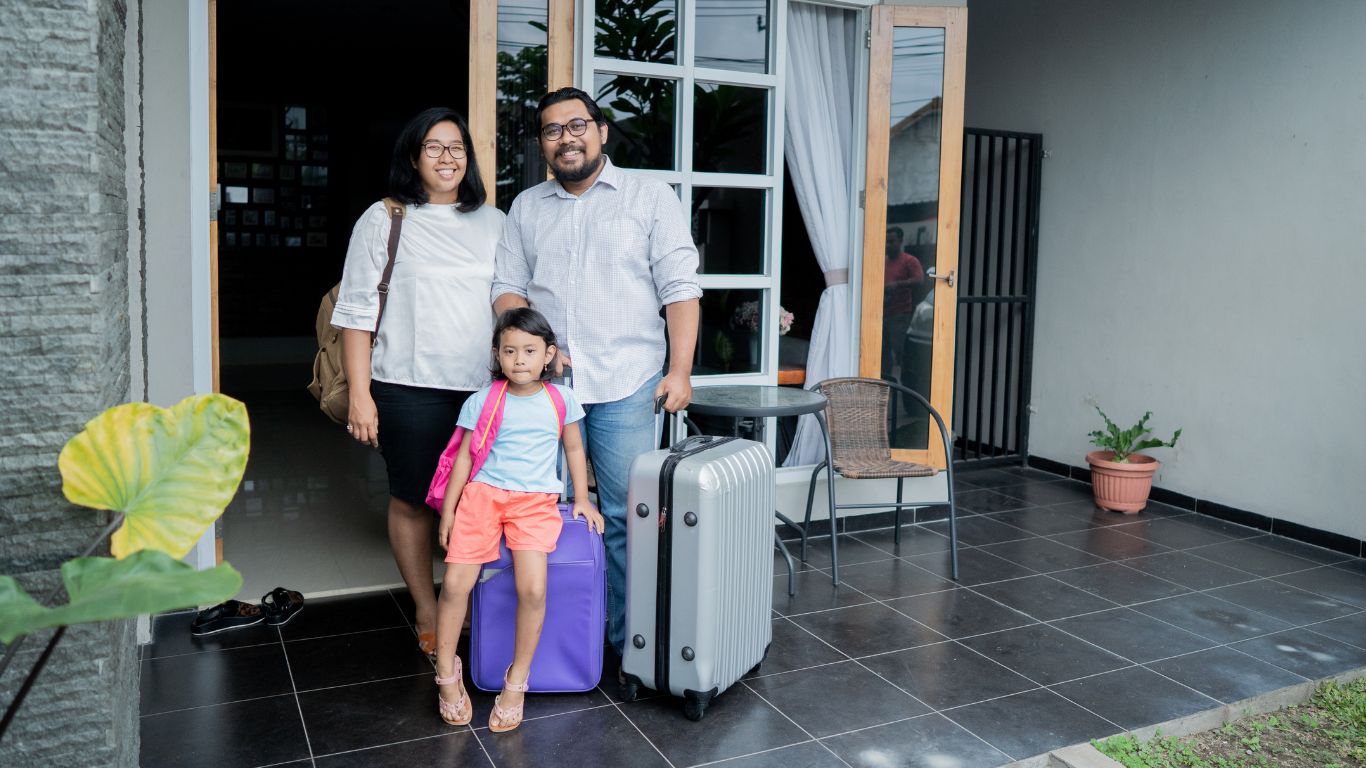
The week before a holiday is rarely calm. There’s the packing, the pet sitter, the last-minute work emails, and the question of whether the back gate is actually locked. Home security is usually handled in the last 20 minutes before the Uber arrives, which is exactly the wrong time to discover that the deadbolt sticks or that nobody has the spare key.
The good news is that most of the security gaps opportunistic burglars look for are predictable and easy to close in a calm half-hour, the week before you leave.
This post is a working checklist for Melbourne homeowners and renters preparing for a vacation, whether that’s a long weekend down the coast, a Christmas in Queensland, or six weeks overseas. The advice is broadly the same; only the depth of the prep changes.
Why holiday periods matter for residential break-ins
Burglary patterns shift around school holidays, public holidays, and major events. Properties that look unoccupied for several days, especially with predictable signs (uncollected post, dark windows at night, no car in the driveway), are the ones that attract attention.
The pattern is rarely sophisticated. Research from the Australian Institute of Criminology found that opportunistic burglars choose easy-to-access properties, stay only as long as they have to, and take goods they can dispose of quickly. Someone walks past, notices the signs, and tests a side gate or a back door. If it’s hard, they move on. If it’s easy, they don’t.
Almost every item on this checklist is about making your home slightly harder than the one next door. That’s the entire game.
👉 How to tell if a lock has been tampered with
The week-before checklist
Run through this list in the seven days before you leave. Most of it takes minutes. The items that need a locksmith are flagged.
Test every lock on every external door
Walk the perimeter of the house and operate every external lock in turn. Front door, back door, side door, garage internal door, laundry door if it opens to the outside. Look for:
- Deadbolts that throw cleanly without needing to be forced or shimmed.
- Keys that turn smoothly in both directions, with no grit or sticking.
- Latches that engage fully when the door is closed, not just when pulled tight.
- Strike plates that aren’t loose in the frame.
Anything that fails this test is worth fixing before you leave, not after. A sticky lock isn’t just an annoyance; it’s the kind of thing a homeowner will leave unlocked “just for tonight” and forget about for two weeks.
Check every window
Especially bathroom and laundry windows, which are the most commonly forgotten. Many older Melbourne homes still have original sash windows or louvres that lock with a small turn-button rather than a key. Test the lock, and if the catch is loose or the frame has dropped over time, get it sorted.
For ground-floor windows in older properties, a window restrictor or keyed sash lock adds a meaningful layer of security and isn’t expensive to retrofit.
Lock the side gate, the back gate, and the garage
The front of the house gets the attention. The side gate to the back yard often doesn’t. If your gate has a slide bolt rather than a padlock, fit a padlock or a keyed bolt before you leave. The backyard is where someone tests doors and windows out of sight of the street.
Don’t hide a spare key outside
The fake rock, the under-the-mat, the on-top-of-the-doorframe spare. Burglars know all of these because they’re the same handful of hiding places everyone uses. Leave the spare with a trusted neighbour, family member, or friend who can let in a pet sitter or check on the house, rather than hiding it on the property.
If you don’t have someone who can hold a spare, a small key safe with a combination dial, fixed to a discreet part of the house, is dramatically better than a fake rock.
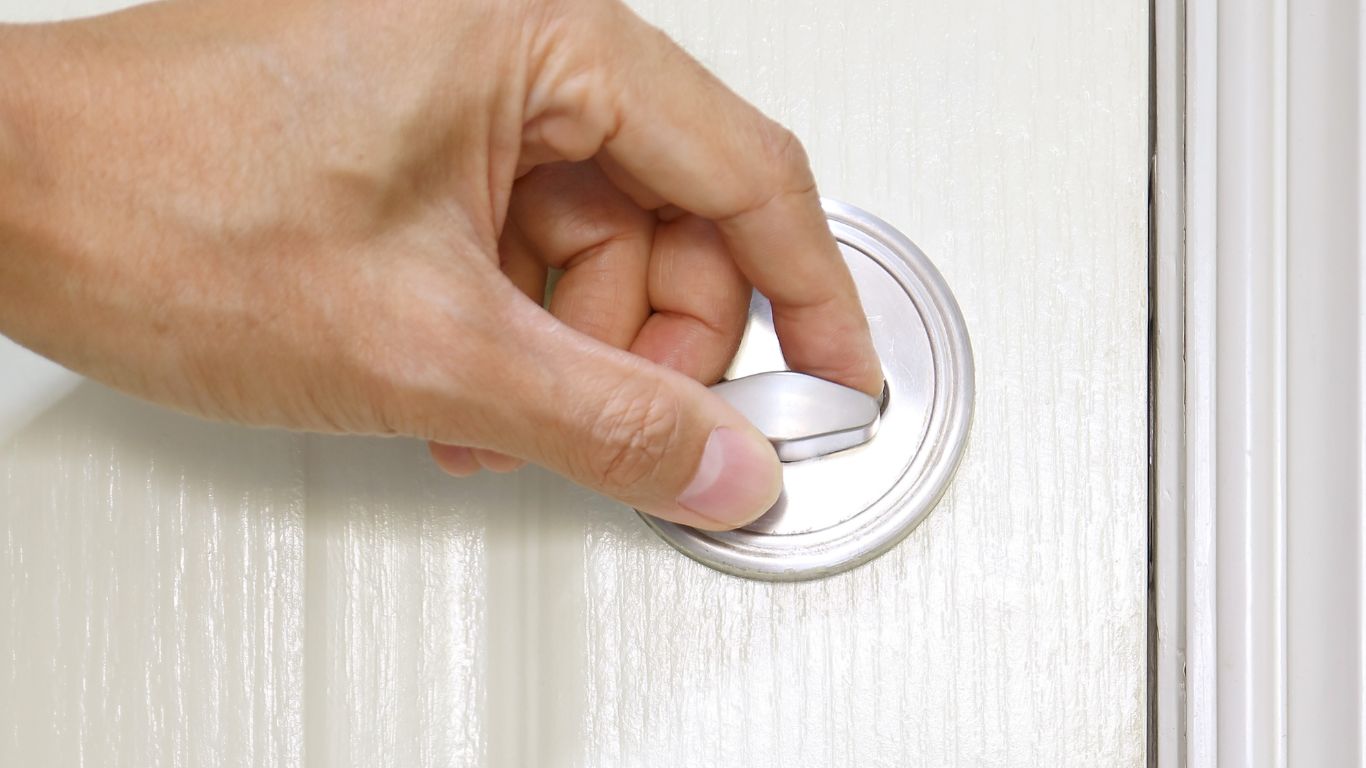
Things only a locksmith can sort
A few items on this checklist genuinely benefit from professional attention. None of them are urgent on a normal day, which is exactly why they get put off until just before a trip.
- A front door deadbolt that’s been “a bit sticky for ages” is the single most common pre-holiday call we get. It’s a fifteen-minute job to repair or replace, and it means you won’t be standing in the heat trying to make it turn while the airport Uber waits.
- A lock that hasn’t been rekeyed since you moved in is worth attending to before any extended absence. You don’t always know how many copies of the key are in circulation from previous owners, agents, tradespeople, or cleaners.
- A garage door or roller door without a deadlock is a security gap that a lot of homeowners don’t realise they have. Most modern remote-operated doors can be lifted manually if the power is out, unless a deadlock is fitted.
- An older lock without a deadbolt function, common on period homes in inner Melbourne suburbs, is worth upgrading at some point, regardless. A long absence is a sensible trigger.
👉 When to change or rekey your locks
Make the house look occupied
This is the part most homeowners underestimate. A house that looks lived-in is dramatically less appealing to an opportunistic burglar than one that clearly isn’t. The signs to manage:
- Mail and parcels. Set up an Australia Post Mail Hold or redirect, and pause any subscription deliveries (newspapers, meal kits, magazines). A pile of mail visible through the front door slot is the single clearest “nobody’s home” signal.
- Bins. A bin that goes out for collection on the right night and gets brought back in is a strong “occupied” signal. Ask a neighbour to handle this for you.
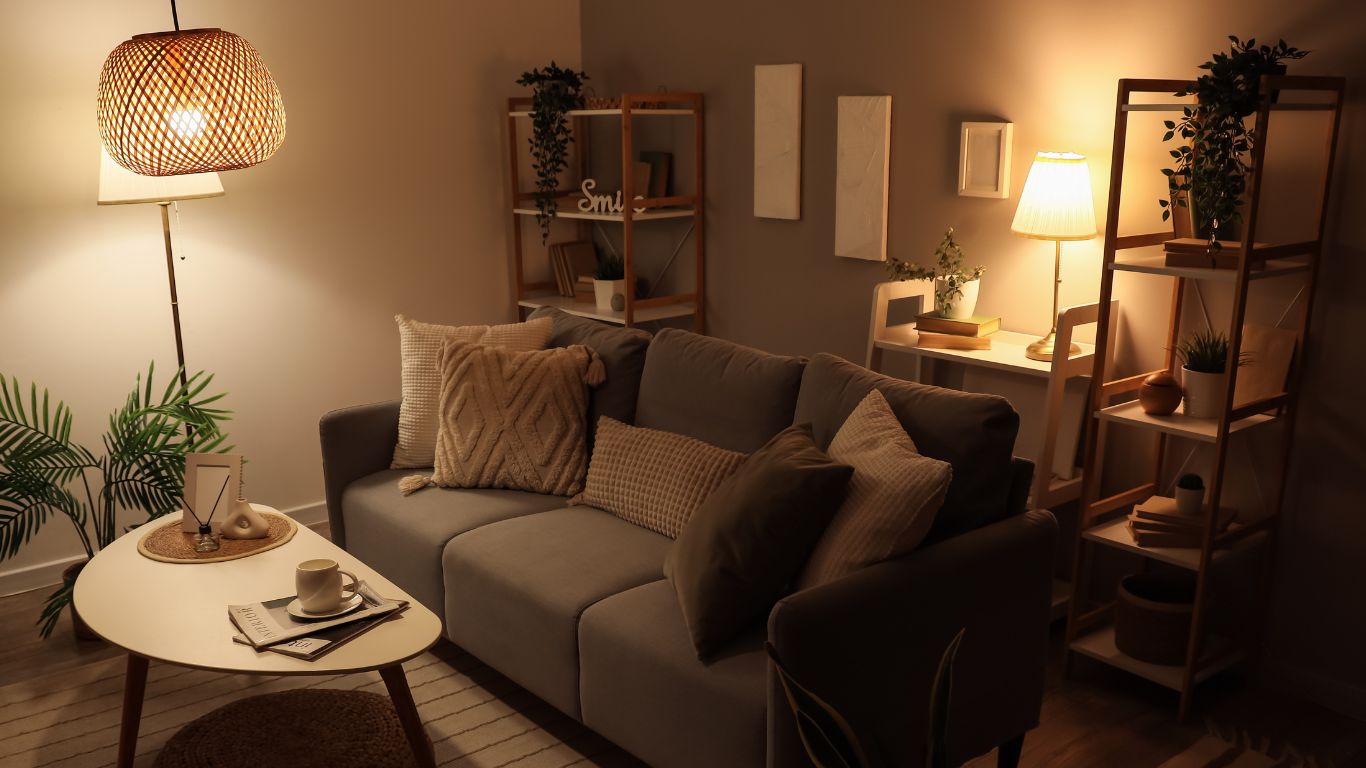
- Lights. Use smart plugs or mechanical timers on at least two lamps in different rooms, set to come on around dusk and off at a normal bedtime. Avoid the obvious “all lights on, all night” pattern, which reads as a timer to anyone watching.
- A radio or TV on a timer in a room visible from the street adds a layer of believability that lights alone don’t.
- Curtains and blinds in their normal positions. Pulled tight on a sunny day looks wrong. Half-open is more natural.
- A car in the driveway if you have one to leave behind. If you don’t, ask a neighbour if they’d be willing to park there occasionally.
Don’t broadcast the trip on social media
This is the easiest single change to make and one of the most effective. Posting “off to Bali for three weeks!” on a public Instagram or Facebook post is a clear signal to anyone in your network and beyond that, the house is empty. Save the trip photos for after you’re back, or share them only with a private close-friends list.
The same applies to out-of-office email auto-replies that explicitly state when you’re returning. “I’m out of the office until 15 January and will reply on my return” is more information than most senders need.
Coordinate with someone you trust
Even with every lock thrown and every light on a timer, a real human checking on the house is the strongest single layer of security. A trusted neighbour, family member, or friend who can:
- Walk past every few days and look for anything obviously wrong.
- Bring in any mail or parcels that arrive despite the redirect.
- Move bins on collection day.
- Have your contact details and the contact details of a backup if something does go wrong.
For longer trips, a house-sitter or pet-sitter staying overnight transforms the security picture entirely. The cost is usually less than people expect, and the peace of mind is worth a great deal.
What to do if something does go wrong
If a neighbour calls to say a window is broken or a door has been forced, the priorities in order are:
- Don’t ask anyone to enter the property. Police should be the first ones in if a break-in is suspected.
- Call 000 if a break-in is in progress, or 131 444 for the Police Assistance Line for non-emergency reporting.
- Once police clear the scene, call a licensed locksmith to secure the property. Damaged locks, forced doors, and broken window frames need to be made secure quickly, especially if the house will continue to be unoccupied.
- Document everything with photographs before any repairs happen, for both police and insurance purposes.
A reputable locksmith handling a post-break-in callout will work on a 24-hour basis and will prioritise getting the property secure, not selling you the most expensive replacement hardware.
👉 What happens when a locksmith can’t open your lock
A pre-departure security table
Here’s the checklist consolidated into a single table for easy reference:
| Area | Quick check | When to call a locksmith |
|---|---|---|
| Front door | Deadbolt throws cleanly, key turns smoothly, strike plate solid | Sticky lock, loose strike plate, no deadbolt fitted |
| Back and side doors | Lock and deadbolt operate normally, hinges in good condition | Any lock that’s been “a bit dodgy” for a while |
| Windows | All locks engage, restrictors fitted on ground-floor windows | Old sash or louvre locks that no longer engage |
| Side and back gates | Padlocked or keyed, not just bolted | Gate hardware loose or rusted out |
| Garage | Manual deadlock fitted to roller door, internal door from garage to house secure | No deadlock on roller door, internal door without keyed lock |
| Spare keys | Held by a trusted person, not hidden on the property | Old keys you can’t account for from previous occupants |
| Mail and bins | Mail Hold set up, neighbour managing bins | Not applicable |
| Lights | Two or more lamps on timers in different rooms | Not applicable |
| Social media | Trip posts saved for after return, auto-reply general | Not applicable |
VicLocks for pre-holiday lock work in Kew and greater Melbourne
VicLocks is a fully licensed mobile locksmith covering Kew and greater Melbourne. We handle pre-holiday lock checks, deadbolt repairs, rekeys, window lock installations, garage door deadlocks, and post-break-in emergency work across the inner east, the northern suburbs, and beyond. If you’ve got a list of “I should really sort that before we go,” we’d rather sort it in a calm appointment the week before than as an emergency the day of.
Contact VicLocks today on 0418 397 297 to book a pre-holiday security check.
👉 Residential security services
Frequently Asked Questions
How early should I book a locksmith before going on holiday?
A week is comfortable for non-urgent work like rekeying, replacing a sticky lock, or fitting window restrictors. Two to three days is usually fine for a single repair, but the closer you get to your departure date, the harder it is to fit in a same-day appointment, especially during peak holiday periods when locksmiths are busy with emergency callouts.
Should I rekey my locks before every holiday?
No. Rekeying is appropriate when you don't know how many keys are in circulation (after moving in, after losing a key, after a tenancy change, after a relationship breakdown). For a regular family going on a regular holiday, the existing keys are fine; the priority is making sure the locks themselves work properly.
Will leaving lights on all the time deter burglars?
Less than you'd think. A house with every light on day and night is as obvious a sign of absence as a house with every light off. Variable lighting, on timers in different rooms at sensible hours, is far more effective. The goal is the appearance of normal occupation, not maximum brightness.
Should I tell my neighbours I'm going away?
Yes, the ones you trust. A neighbour who knows you're away can spot things that don't look right, take in unexpected parcels, and call you or the police if something is genuinely wrong. The trade-off (someone knowing the house is empty) is far smaller than the value of having a real human watching over the place.
Where can I find a locksmith for pre-holiday security work in Melbourne?
icLocks handles pre-holiday lock checks, repairs, and upgrades across Kew and greater Melbourne. We're a fully licensed mobile locksmith, and we work with homeowners and renters on the small jobs (a sticky deadbolt, a window lock, a garage door deadlock) that are easy to get done in a calm appointment before a trip. Call 0418 397 297 or contact us through the website (https://viclocks.com.au/contacts/) to book.
What should I do if I get home from holiday and something looks wrong?
Don't go inside. If a door is open that shouldn't be, a window is broken, or anything looks tampered with, call the police first on 000 (or 131 444 for non-emergency) and wait for them to clear the property. A locksmith can make the property secure once the police have completed their work.