If you’re locked out of your house, check three things before you ring anyone: whether anyone or anything inside is at risk, whether every door and window really is locked, and whether someone nearby has a spare key. If none of that gets you back in, a locksmith can usually open the door without damaging it.
We’re a mobile locksmith based in Kew, and lockouts are everyday work for us. The same few mistakes keep turning a simple job into an expensive one, so here’s what we’d tell a friend standing on their doorstep right now.
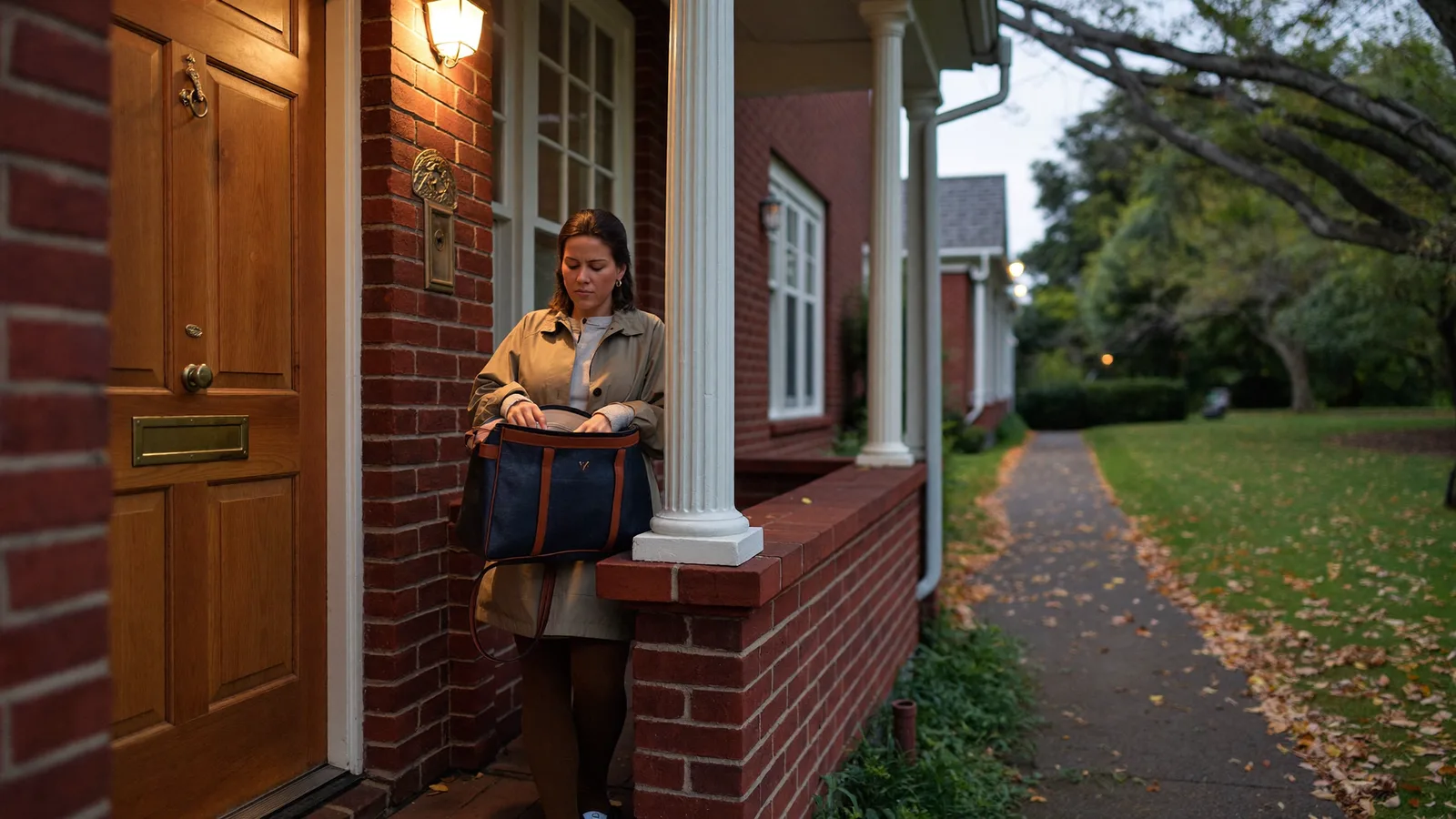
Is anyone at risk? Call 000 first
If a child, a vulnerable person or a pet is locked inside, someone inside is unwell, or you’ve left something on that could start a fire, call Triple Zero (000) before you call a locksmith. Emergency services come first whenever there’s a risk to people or property.
Triple Zero Victoria says an emergency includes “danger to life, health and/or property”. A lockout on its own isn’t one. Once everyone’s safe, work through the steps below.
What should you check before calling a locksmith?
Before you call a locksmith, walk the whole house, check your bag and car for the key, and work out who else has a spare. It sounds obvious, but it’s the step people skip when they’re stressed.
- Walk every entry point. Try the back door, laundry door, sliding door and any internal door from the garage. Check ground-floor windows you can reach safely.
- Search properly for the key. Empty your bag, check every pocket, and look in the car, including under the seats.
- Ring whoever has a spare. A partner, housemate, family member or trusted neighbour is almost always faster and cheaper than a call-out.
- If you’re renting, ring your property manager. Ask whether they hold a spare set (more on renting below).
- Check your hidden spare, if you have one. Then plan to move it. We’ve explained why in the real risks of leaving a spare key outside.
Should you try to break in yourself?
No, not by force. Shouldering the door, levering a window or following a lock-picking video usually leaves you with a split door jamb, broken glass or a damaged lock, and that’s a repair bill on top of the lockout.
Climbing to an upstairs window is worse, because a fall costs far more than a locksmith. A trained locksmith opens most standard locks using non-destructive methods, which we’ve explained in 👉 how locksmiths open locks without damaging them.
What should you do if you’re locked out of a rental?
If you’re locked out of a rental, ring your property manager or rental provider first and ask whether they hold a spare set. In Victoria, the rental provider must give each renter a free set of keys when they move in, and can charge a reasonable fee if you ask for another.
If your property manager can’t help, or it’s after hours, a locksmith can still let you in. Have your lease or rental ledger ready on your phone, because it’ll speed up the ID check.
One thing to know before you ask for new locks: under the same Consumer Affairs Victoria rules, you need the rental provider’s consent to change a lock, and you must give them a copy of the new keys.
What will a locksmith need from you when they arrive?
A locksmith will ask for photo ID before or straight after opening the door, ideally showing the property’s address. A driver’s licence is the most common, and the Victorian digital driver licence in the Service Victoria app works too, which helps when your wallet is inside.
If your ID is locked in the house, we’ll open the door and wait while you fetch something that shows you live there, such as mail, a lease or your licence. We’ve covered every scenario, including renting and businesses, in 👉 what happens if you can’t show a locksmith proof of address.
This check isn’t us being difficult. It’s what stops a stranger from getting a locksmith to open your home.
How does a locksmith get you back in?
A locksmith starts with non-destructive entry, such as picking the lock or bypassing the latch, so the lock keeps working afterwards. Drilling is a last resort, used when a lock is high security, damaged or can’t be opened any other way, and the lock is then replaced.
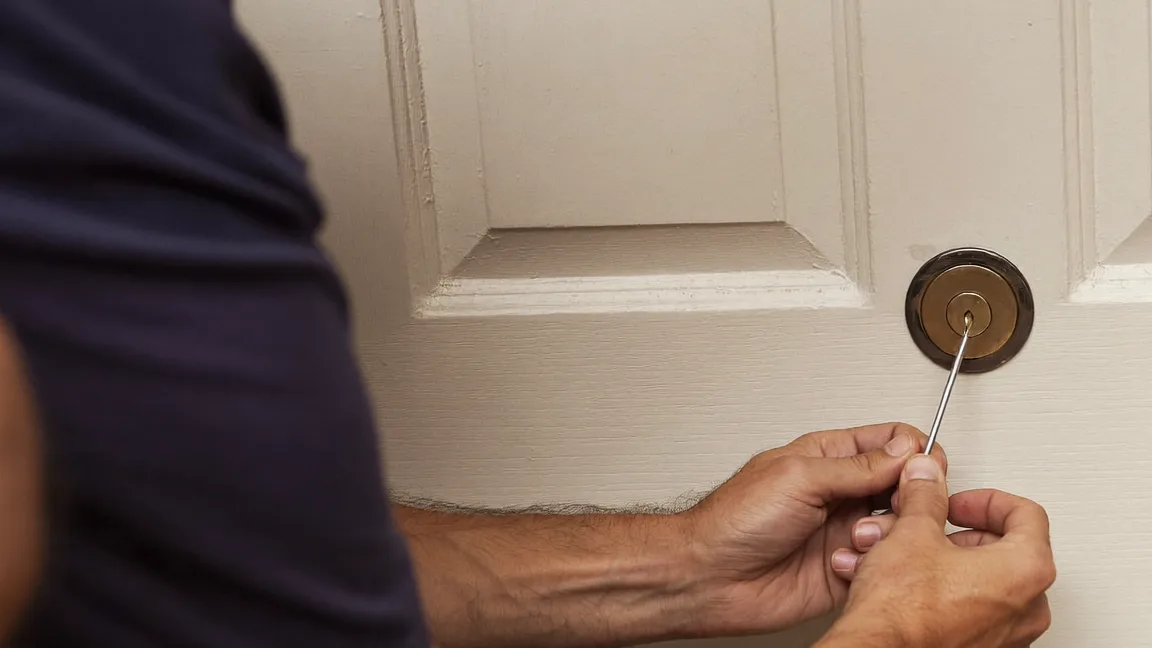
Most standard residential locks open without damage. If you’d like to know what happens with the harder ones, read 👉 what happens if a locksmith can’t open your lock.
How much does it cost to get back into a locked house?
The cost of a lockout depends on the time of day, the type of lock and whether anything needs replacing. Most locksmiths charge a call-out fee to attend, and after-hours, weekend and public holiday jobs cost more than business hours.
Ask for a quote that includes the call-out fee before the locksmith sets off, so there are no surprises on the doorstep. For current ranges, see our guide to locksmith costs in Melbourne and our explainer on whether locksmiths charge call-out fees. If a price sounds off, these are the mistakes to avoid when hiring a locksmith.
Should you change your locks after a lockout?
You only need to change or rekey your locks if your key could be in someone else’s hands. That means lost keys, stolen keys, or a stolen bag with your address in it. If you simply left your keys on the kitchen bench, your locks are as secure as they were this morning.
Rekeying is usually the cheaper option, because it changes which key works without replacing the whole lock. Our guide on when to change or rekey your locks walks through each situation.
How can you avoid getting locked out again?
The simplest fix is giving a spare key to someone you trust who lives nearby, rather than hiding one outside. After that, it’s mostly habit and hardware.
- Keys in hand before the door closes. Many front doors have a deadlatch that locks automatically when the door shuts, which is how most people get caught out.
- A spare with a trusted person, not under the mat. If you must keep one on site, a proper lockbox is far better than a pot plant. We’ve compared the options in our recommended key hiders.
- Consider a keyless lock. A keypad or smart lock takes the key out of the equation entirely. Weigh up the trade-offs in smart locks vs traditional locks.
Locked out of your house in Kew or the inner east?
If you’re locked out of your house in Kew, Kew East, Hawthorn, Balwyn or a nearby suburb, call VicLocks on 0418 397 297. We’re a fully mobile service, so we come to you in a vehicle stocked with tools, locks and key-cutting equipment, and most jobs are sorted in a single visit.
Frequently Asked Questions
Can a locksmith open my front door without damaging it?
Yes, in most cases. A locksmith starts with non-destructive methods such as picking the lock or bypassing the latch, so the lock still works afterwards. Drilling is only used when a lock is high security, damaged or won’t open any other way, and the lock is replaced once the door is open.
Will a locksmith let me in if my ID is inside the house?
Yes. At VicLocks, we’ll open the door and then wait while you fetch proof that you live there, such as your licence, mail or a lease. A neighbour, landlord or property manager can also vouch for you. If nobody can confirm who you are, the locksmith will involve the police.
Should I call 000 if I’m locked out of my house?
Only if someone or something is at risk. Call 000 if a child, vulnerable person or pet is locked inside, someone inside is unwell, or something has been left on that could start a fire. A lockout on its own isn’t an emergency, so call a locksmith or someone with a spare key.
Can my landlord charge me for a spare key in Victoria?
Yes, within limits. In Victoria, your rental provider must give each renter on the agreement a free set of keys when they move in. If you ask for an extra key or security device, they can charge a reasonable fee. Your property manager may also hold a spare set for lockouts.
Do I need to change my locks after losing my keys?
It depends on where the keys went. If they could be in someone else’s hands, especially with your address, rekey or change the locks as soon as possible. If you locked them inside the house or found them later, there’s no security reason to change anything, and you can save the cost.