- September 30, 2024
- |Locksmith Services
- | 0
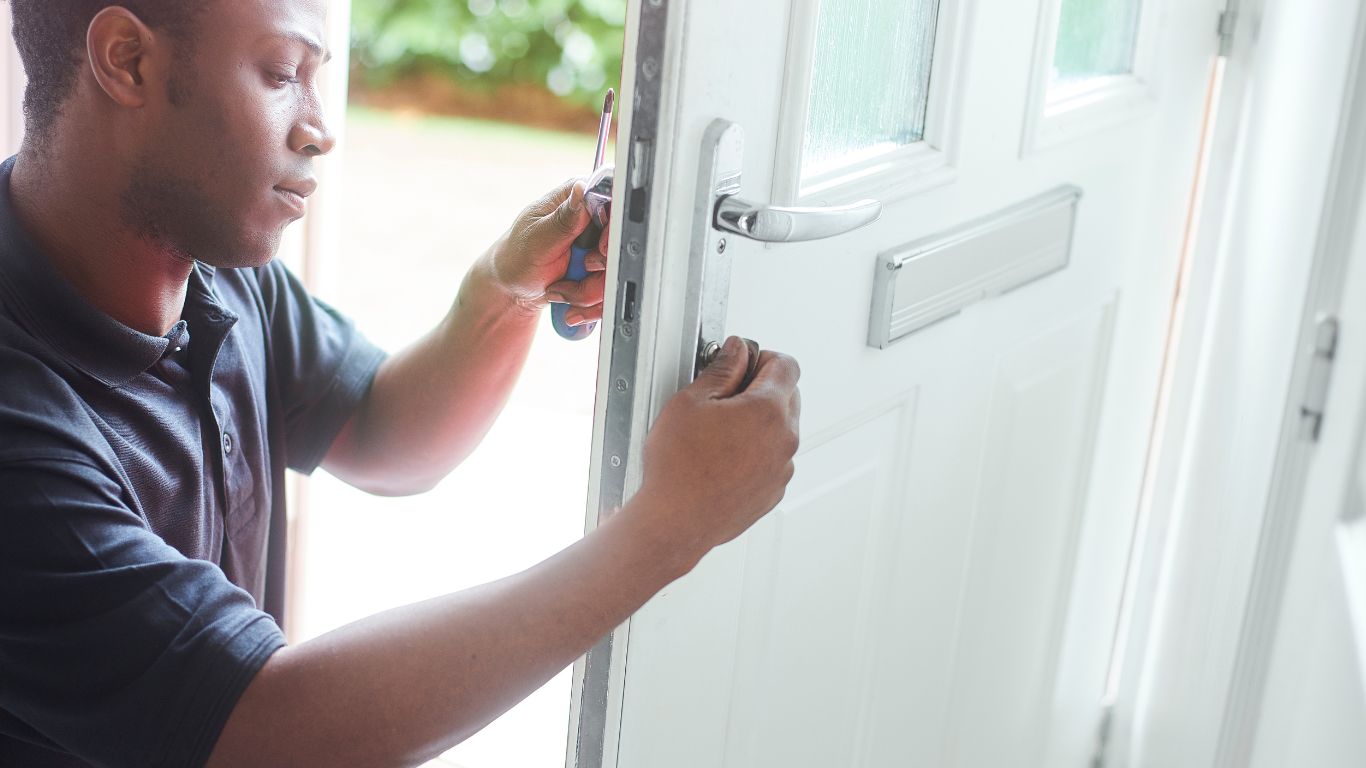
Yes, locksmiths ask for ID. If you call a locksmith to get back into your Melbourne home, business or car, a reputable locksmith will ask you to prove you have the right to be there, usually with photo ID such as a driver’s licence. And if you can’t show any ID (which happens more often than you’d think, since wallets have a habit of being locked inside with the keys), a good locksmith still has several ways to verify you and get you back inside legally and safely.
This guide explains exactly how that works: why the ID check exists, what counts as acceptable proof, and what our locksmiths do, step by step, when a customer in Kew or greater Melbourne can’t show proof of address at the door.
Why do locksmiths ask for proof of address or ID?
The short answer is that opening a lock for the wrong person would be a security disaster, and the industry has formal rules to prevent it. There are documented cases of burglars attempting to use locksmiths as an unwitting way into a property. The ID check is the safeguard that stops your own front door being the weak point.
In Australia, professional locksmiths work to the Locksmiths Guild of Australia’s Code of Practice, which requires anyone performing a gain entry job to “obtain positive identification of the person requesting entry” and to be satisfied that the person genuinely has authority to enter the premises (Locksmiths Guild of Australia Code of Practice). A photo ID, such as a driver’s licence, is the standard. Where identity can’t be established at all, the Code directs the locksmith to involve the police rather than open the door.
It’s also worth knowing that in Victoria, parts of the security industry are regulated through Victoria Police Licensing and Regulation Division, and the rules around who can do what have shifted in recent years. We’ve covered what that means for choosing a locksmith here:
👉 Are All Locksmiths Licensed in Victoria?
So when our locksmith asks for your ID, it isn’t suspicion. It’s the same protection you’d want working in your favour if a stranger ever tried to talk their way into your home.
What ID will a locksmith accept?
In our experience, the vast majority of lockout jobs are sorted with a single document. Any of the following photo IDs showing your name will normally do the job, ideally with the property’s address on it:
- A driver’s licence, physical or the Victorian digital licence in the Service Victoria app, which many locked-out customers can still access on their phone.
- A passport or proof of age card, paired with something that links you to the address, such as a bill or lease shown on your phone.
- For vehicles, photo ID in your name. We don’t expect you to carry registration papers, but we do need to know who we’re opening the car for.
Depending on the job, our locksmith may also photograph your ID and ask you to sign a simple authority form for the unlocking. That paperwork protects you as much as us: it creates a record that entry was requested by an identified person.
What happens if you have no ID at all?
Here’s the part most articles skip: being locked out without your wallet doesn’t mean you’re stuck outside. The verification just moves to after the door is opened, or to someone who can vouch for you. Here’s how we handle each situation.
For homes
If you have no ID on you, our locksmith will still open the door, then wait outside while you fetch documentation from inside. Almost every home contains something that proves who lives there:
- a wallet,
- mail addressed to you,
- a lease,
- a rates notice,
- or your licence on the kitchen bench.
We allow a reasonable window (around five minutes) for you to produce it.
We can also accept verification from a third party, such as a neighbour who knows you, your landlord, or your real estate agent. If nothing can be produced and no one can vouch for you, we’ll contact the police to verify your identity, which protects the genuine owner of the property.
Worried about damage during entry? In most cases, there isn’t any. We’ve explained the non-destructive techniques we use here:
👉 How Locksmiths Open Locks Without Damaging Them
For businesses
The process mirrors a residential job. It’s rare for a business to contain zero paperwork confirming who runs it, so we’ll open up and give you the chance to find:
- documentation,
- an ABN record,
- invoices in the business name,
- or staff who can confirm your role.
- A property manager or building manager can also verify you.
If your right of access can’t be confirmed, we will relock the premises and involve the police.
For commercial clients, this is exactly why we recommend having an after-hours access plan as part of your broader security setup:
For cars
Cars are slightly different because no one carries proof of ownership in their pocket, and you may legitimately be driving a borrowed car. What we need is a photo ID in your name, and we may photograph it and have you sign a declaration covering the make, model, colour and location of the vehicle. If your ID is locked inside the car, we can open it on the understanding that the ID is retrieved and shown immediately afterwards. If it isn’t there, we relock the vehicle and call the police.
Bottom line for cars: we need to sight your ID either before or after the car is opened.
Locksmith ID checks at a glance
| Situation | What we ask for first | If you can’t show it | Last resort |
|---|---|---|---|
| Locked out of your home | Photo ID, ideally showing the address | We open the door and wait while you fetch documents from inside, or a neighbour, landlord or agent verifies you | We contact the police to confirm your identity |
| Locked out of a rental | Photo ID plus your lease or rent receipts | Verification through your property manager or landlord | Police verification before entry is finalised |
| Locked out of a business | Photo ID and confirmation of your role | Business paperwork found inside, or a manager verifies you | We relock the premises and contact the police |
| Locked out of a car | Photo ID in your name | ID retrieved from inside the car immediately after opening | We relock the vehicle and contact the police |
What if you’re renting?
Renters are the most common “no proof of address” callout we see, because your licence often shows an old address, and the lease lives in an email somewhere.
Don’t stress. Any of these will satisfy us:
- Your lease or rental ledger pulled up on your phone.
- Verification from your property manager or landlord, even a quick phone call.
- Mail or deliveries addressed to you at the property once the door is open.
If you’re a landlord or property manager calling us out to a tenancy, we’ll ask for evidence of your authority over the property instead, such as the management agreement or ownership records.
Will the locksmith really call the police?
Only as a genuine last resort, and it’s a protection, not a threat. If someone standing at your front door can’t prove in any way that they belong there, you’d want the locksmith to make that call. In practice, police involvement is rare. Across the lockout jobs we attend in Kew and greater Melbourne, almost every customer can verify themselves within minutes once the options above are on the table.
The one thing that should worry you more than an ID check is a locksmith who doesn’t ask.
A professional who’ll open any door for anyone is a professional whose services can be used against you. It’s one of the warning signs we cover here:
👉 Top 5 Mistakes to Avoid When Hiring a Locksmith
How to make your next lockout painless?
A little preparation removes the ID question entirely. Our locksmiths suggest:
- Add your digital driver’s licence to the Service Victoria app so photo ID is always on your phone.
- Keep a photo of your lease or a recent utility bill in your phone’s files or email favourites.
- Leave a spare key with someone you trust nearby, rather than under the mat, which is the first place an intruder checks.
- Save a trusted local locksmith’s number before you need it. Ours is 0418 397 297, and we cover lockouts day and night:
Locked out in Kew or Greater Melbourne?
Whether it’s your home, business or car, VicLocks can get you back inside quickly, with a verification process that protects you rather than slowing you down. We service Kew and greater Melbourne with mobile and emergency lockout help, lock repairs, rekeying and broader residential security upgrades.
Contact VicLocks today or call 0418 397 297, and have whatever ID you can find ready. If you can’t find any, call us anyway. That’s what this whole article is for.
Frequently Asked Questions
Can a locksmith open my door without ID?
Yes. If you have no ID on you, the locksmith can open the door and wait while you retrieve documentation from inside, or accept verification from a neighbour, landlord or real estate agent. If your identity can't be confirmed by any means, the locksmith will contact the police rather than simply leave you inside.
What ID do Locksmiths accept in Australia?
A photo ID, such as a driver's licence (physical or digital), is the standard under the Locksmiths Guild of Australia's Code of Practice. A passport or proof of age card also works, ideally alongside something linking you to the address, like a lease, bill or addressed mail.
Do locksmiths ask for ID for cars?
Yes. A locksmith won't ask for ownership papers, but will ask for photo ID in your name and may have you sign a declaration about the vehicle. If your ID is locked inside the car, it needs to be shown as soon as the car is opened.
What happens if I'm renting and my licence shows an old address?
This is extremely common and not a problem. Your lease or rental ledger on your phone, a quick verification call to your property manager or landlord, or mail addressed to you inside the property will all satisfy the locksmith.
Why won't a locksmith just take my word for it?
Because a locksmith who opens doors on trust alone could just as easily be used by a burglar to enter your home. The ID check exists to protect property owners, and a locksmith who skips it is a red flag, not a convenience.
Does VicLocks charge extra if the verification takes time?
No. Reasonable verification is part of every lockout job, not an add-on. If you're wondering what a lockout costs in the first place, we've broken down typical pricing and call-out fees for Melbourne here: https://viclocks.com.au/do-locksmiths-charge-call-out-fees-in-melbourne