- August 8, 2025
- |Home Safety
- | 0
The Early Days of Keys in Australia
Before Master Systems and Smart Locks, Simplicty Ruled
Australia, as we know it today (post-colonialism), is a relatively young country, and so is its use of residential locking systems. While key and lock technology existed globally for centuries, the early days of settlement in Australia relied on basic, mechanical solutions.
Colonial-Era Locks
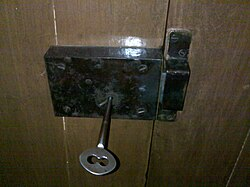
In the 1800s, the most common locks used in Australian homes and buildings were warded locks and mortice locks, often operated by large, heavy skeleton keys. These keys were usually crafted from brass or iron and were designed for simplicity and durability, not subtlety or high security.
Hand-Forged and Imported
Many of these early locks were either hand-forged by local blacksmiths or imported from Britain.
Local locksmithing wasn’t yet an established trade. Repairs and replacements were often improvised using whatever metalworking skills and materials were available.
The Rise of Lever and Pin Tumbler Locks (1900s – 1950s)
Smaller Keys, Better Security
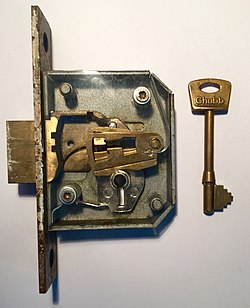
As Australia’s population grew, so did the need for more secure and manageable lock systems. Lever locks became common in older Federation and Edwardian homes in the early 1900s, while pin tumbler locks (like those developed by Yale) introduced more precise security.
- More compact and harder to pick
- Easier to duplicate with proper machinery
- Installed in doors, cabinets, and even early vehicles
Post-War Boom and Key Duplication (1950s – 1980s)
Security and Growing Suburbia
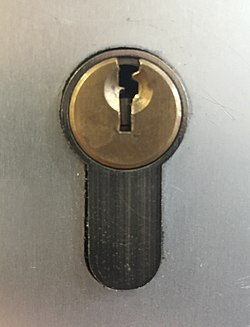
Following WWII, Australia experienced a major housing boom. With that came widespread use of cylinder locks, key-in-knob locks, and an increased demand for key duplication services.
- Locksmithing became a recognised trade (good news for us!)
- Hardware stores began offering basic key cutting
- Homeowners expected reliable, lockable entry points as standard
Restricted Key Systems and Master Keying (1980s – 2000s)
Controlled Access for Growing Buildings
As apartment living and commercial development expanded, so did the need for more controlled and layered access systems.
Enter restricted key systems, where only authorised locksmiths could duplicate keys, and master key systems, allowing different keys to access different levels of a property.
- Apartment complexes
- Schools and universities
- Hospitals and government buildings
- Commercial and industrial sites
Digital, Electronic, and Smart Keys (2000s – Present)
From Keys to Codes and Apps
In the 21st century, we saw the introduction of key cards, fobs, smart locks, and mobile app-based access. These systems are now common in both commercial and residential environments.
- Biometric access (fingerprint or facial recognition)
- App-controlled smart locks with remote access
- Keypad entry systems with changeable PINs
- Bluetooth and Wi-Fi-enabled locks
How Locksmiths Have Adapted in Australia
Still Essential, Just More Advanced
Modern locksmiths are no longer key cutters; we’re now security professionals.
- Designing restricted or master key systems
- Installing smart and electronic locks
- Programming key fobs and car transponders
- Advising on physical and digital security layers
Are Physical Keys Becoming Obsolete?
Not Any Time Soon
You can read more about it in our blog post: Is The Locksmith Trade Dying?
While smart locks are on the rise, traditional keys are far from extinct.
Rather than being replaced, physical keys are evolving, and locksmiths continue to bridge the gap between old and new.
Need Help Upgrading or Replacing Your Lock?
Whether you’re dealing with a traditional lock, restricted system, or modern smart access, our Melbourne locksmiths are here to help. We combine decades of experience with up-to-date training to keep homes, apartments, and businesses secure.