- August 25, 2025
- |Home Safety, Locksmith Services
- | 0
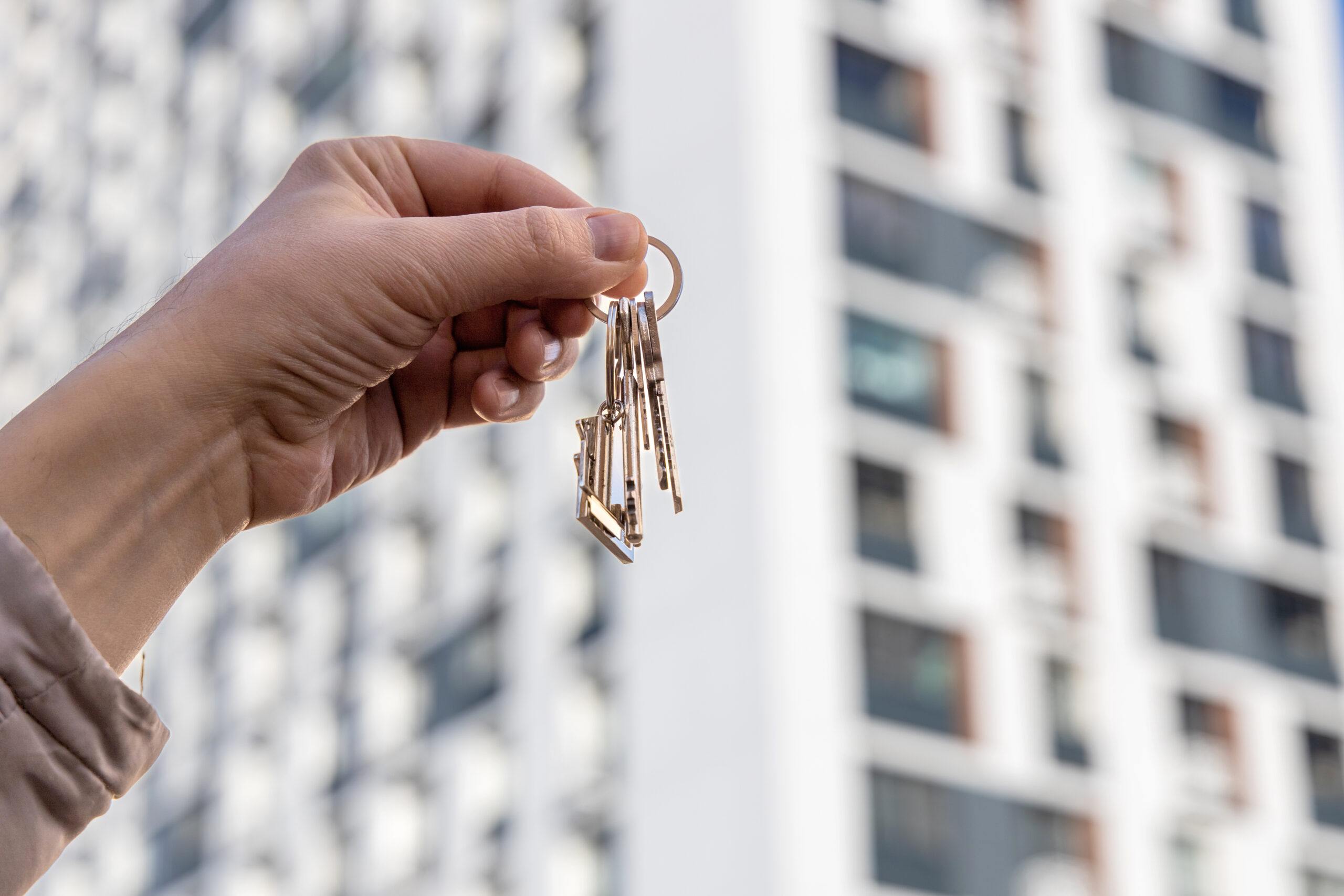
We’ll preface this article with: it’s usually best to contact your building’s management, or strata and ask permission, but if you’re in the research part of your project, or having a quick Google, here’s an answer from a professional Melbourne Locksmith.
How Key Systems Work in Apartments
If you live in an apartment building, particularly one managed by a strata or owners’ corporation, chances are your door lock is part of a master key system. These systems are designed to provide different levels of access to different users, all while maintaining building-wide security and convenience.
Master Key vs Unit Key
Your apartment likely has its own, unique key, which only opens your front door. However, that same lock may also be part of a broader keying structure that allows a master key (usually held by the building manager or authorised personnel) to open multiple units or common areas.
- Emergency access for building management or emergency services
- Access to perform authorised maintenance or safety checks
- Streamlined control over building-wide security
What if I Change My Lock?
- Prevent building staff from accessing your unit in emergencies
- Break compliance with strata regulations
- Create security vulnerabilities for the entire complex
Can I Legally Change my Lock in a Strata or Apartment?
What Victorian Apartment Residents Need to Know
Your Front Door May Be Considered ‘Common Property’
In many apartment buildings, the door and the lock are considered part of the common property, managed by the owners’ corporation (strata). That means the lock isn’t entirely under your individual control, even if it’s on your unit.
Tenants vs Owner-Occupiers
- Tenants must first speak to their landlord or property manager. The landlord may then need to apply to the strata for approval.
- Owner-occupiers should raise the request directly with the owners’ corporation, often via the strata manager.
- Submitting a formal request
- Explaining the reason for the change
- Ensuring any replacement lock is compatible with the building’s existing key system
What Victorian Law Says
- Tenants cannot alter or change a lock without the landlord’s consent
- Landlords must not unreasonably refuse a request if there’s a valid safety or security concern
- Emergency lock changes (e.g. due to family violence) are permitted in some cases, but strata notification is still required if it affects shared property
As above, if your building uses a master key system, your new lock must be compatible; otherwise, you could be in breach of strata by-laws or risk compromising building security.
To stay compliant, any changes should be completed by a licensed locksmith familiar with restricted systems and apartment compliance.
So, what happens if you’re locked out?
What Are Your Options If You’re Locked Out?
Living in a strata-managed apartment with a master key system means lockouts and replacements need to be handled carefully. Here are your main options:
Most apartment buildings have a building manager or strata team with a master key. They may assist during business hours or arrange access through their approved locksmith.
If management is unavailable, a locksmith can help, but they may need strata approval to work on restricted or master-keyed locks. Choose someone familiar with apartment systems.
Who Pays for Lock Changes in an Apartment Building?
Responsibility depends on the situation. If you are a tenant, lock changes due to lost keys, damage, or personal preference are usually your cost, with landlord approval. If the lock is faulty or needs replacing for safety reasons, the landlord or owners’ corporation may cover it. For owner-occupiers, costs are typically yours unless the issue affects common property, in which case strata may contribute.
Can I Install a Smart Lock or Deadbolt in My Unit?
You can only install a smart lock or deadbolt if you have written approval from the owners’ corporation or landlord, and the new hardware must be compatible with the building’s master key or restricted system. Unauthorised installations can breach strata rules and interfere with emergency access, so always check first before making changes.
Need Lock Advice for Your Apartment? We Can Help.
Living in a Melbourne apartment on a master key system comes with extra rules, and changing your locks isn’t always straightforward. Whether you’re locked out, need a security upgrade, or want to explore smart lock options, we can guide you through the right process and ensure everything stays compliant with strata requirements.